
Crypto Words Every Beginner Should Know to Avoid Big Mistakes
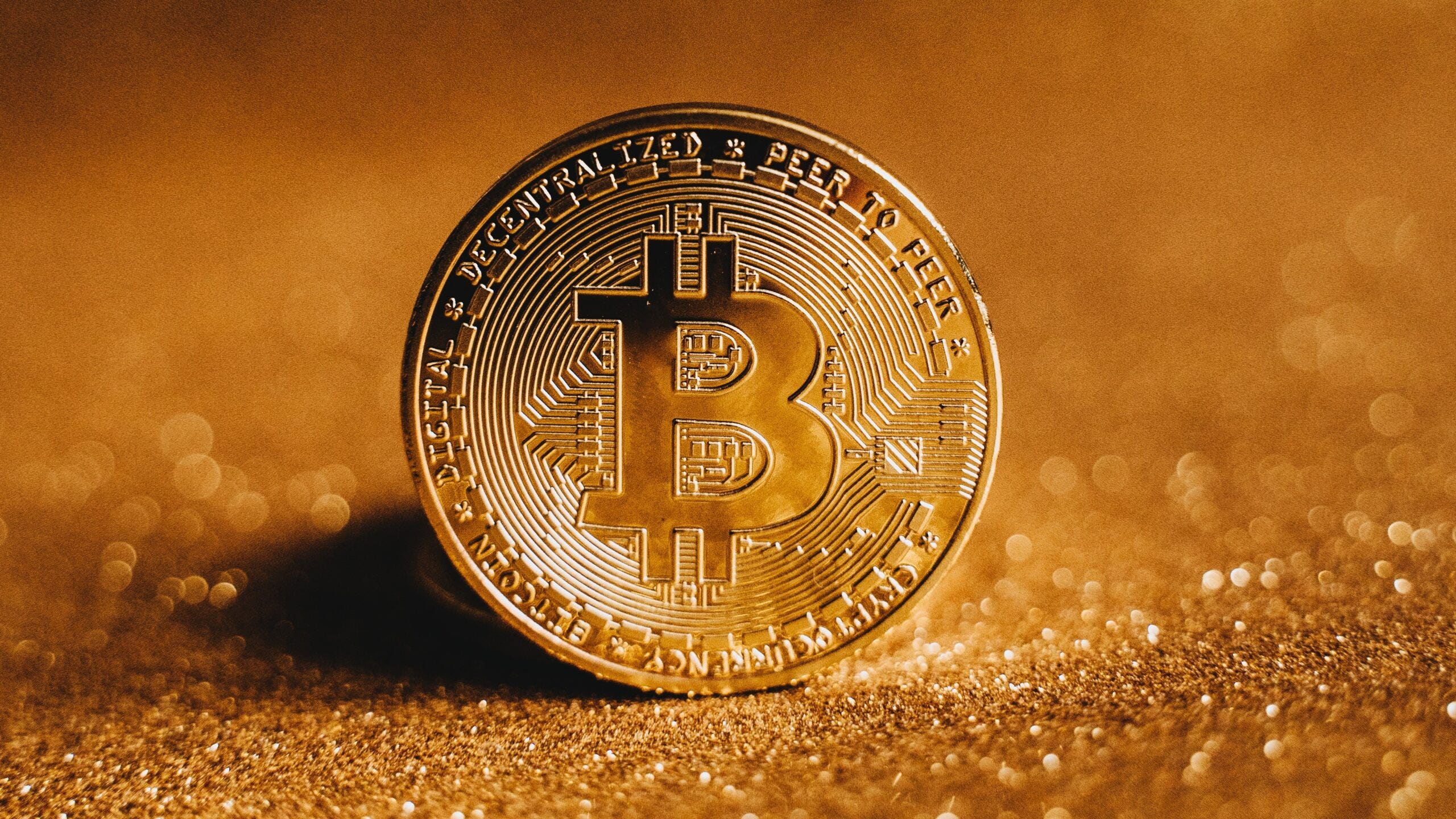
Crypto words can sound like a secret code when you first read them. Words like wallet, gas fees, and key show up everywhere, but few people explain what they mean in plain English. If you want to explore digital money without losing your head, learning the basic language is your very first job.
The short answer is simple. Learning crypto terms helps you keep your money safe, pick better places to trade, and avoid tricksters who prey on beginners. You do not need a math degree to get it. You just need clear descriptions for the words you will see every day on exchanges and news sites.
What Is a Crypto Exchange and How Does It Work?
A crypto exchange is a online place where you buy, sell, or trade digital tokens. Think of it like an online store, but instead of buying clothes, you trade regular money for coins. Some big companies run these platforms, while others run on smart code without a middleman. Recently, a group called Global Kiwi Labs raised $4M for crypto exchange hub tools to make trading platforms easier for people to use.
When you place an order on an exchange, the system matches you with someone who wants the opposite deal. If you want to buy one token for one hundred dollars, the system looks for a seller who agrees on that exact price. You can learn more about how online money works on the Cryptocurrency page on Wikipedia. It is always wise to start small so you can see how the buttons work before putting in larger amounts.
Trade sites carry risks that every newcomer must remember. If a site shuts down or gets hacked, getting your money back can be very hard. Always use strong passwords and set up two step locks on your account to keep bad actors out.

What Are Crypto Wallets and Public Keys?
A crypto wallet does not hold actual paper cash like the leather wallet in your pocket. Instead, it holds the special digital keys that prove you own your coins on the network. Without these keys, you cannot move your funds or send them to a friend.
Your wallet has two main parts that you must never confuse. The first part is your public key, which works like your street address. You can share your public key with anyone who wants to send you coins. The second part is your private key, which works like the secret key to your front door. Never share your private key with anyone, not even if they claim to work for customer support.
Many new people fall for online tricks because they do not know how keys work. Scammers often send fake messages to trick you into typing your secret code into bad websites. To see how these online traps work in real life, read about how Deepfake Video Scams Target Millions With Fake Crypto Giveaways before you sign up for any new wallet service.
What Are Gas Fees and Why Do You Pay Them?
Every time you move crypto from one place to another, the computer network has to check the transaction. The computers that do this heavy math work take a small fee for their effort. In the crypto world, people call this payment a gas fee.
Gas fees go up when many people try to use the network at the same time. Imagine a busy road during work rush hour. If everyone wants to drive at 5 PM, the toll to take the fast lane gets much higher. If you wait until late at night when fewer people use the network, your gas fee drops.
Plan your moves carefully so you do not spend all your profits on fees. If you transfer ten dollars worth of tokens but the network asks for fifteen dollars in gas fees, it makes no sense to send that trade right away. Wait a bit until the traffic slows down.
What Is KYC and Why Do Trading Apps Ask For Your ID?
KYC stands for Know Your Customer. It is a safety rule that banks and financial apps use to confirm who you are. When you open an account on a major site, they will ask for a photo of your ID, your full name, and your home address.
Regulators pay close attention to these safety checks right now. News reports show that crypto KYC gaps leave exchanges exposed to regulators who want to stop bad actors from hiding money. If a platform skips these checks completely, that can be a warning sign that the company does not follow local laws.
Filling out KYC forms can feel like a pain, but it helps protect your account from fraud. If you lose your phone or forget your password, having a verified ID makes it much easier to prove the account is yours and get your money back.
What Are Derivatives and Perpetual Futures?
As you read more news, you will see complex terms like derivatives. A derivative is just a contract that gets its value from an asset, like Bitcoin or gold, without you needing to hold the physical item. People use them to guess if prices will move up or down in the future.
One common type is called a perpetual future. This is a special deal where traders place bets on token prices without any end date on the contract. It is crypto's most popular derivative tool, but it comes with huge dangers for beginners. You can lose all your money in a few minutes if the price moves the wrong way.
If you are just starting out, skip advanced tools like derivatives entirely. Stick to basic buying and holding on trusted apps while you build your knowledge base. Check out our beginner guides for safer crypto tips to learn how to protect your cash while you learn.
How to Keep Learning Without Losing Money
Learning the right words is like getting a map before you take a long trip in a new city. Take your time to read every screen twice before you tap any buttons on a trading app. Mistakes in this space cannot be undone by calling a bank manager.
Start with a small test amount that you do not mind losing while you get comfortable. Keep your secret keys safe, double check wallet addresses line by line, and stay away from trades you do not fully understand yet. Which crypto word confused you the most when you first started reading about digital money?

